What Transportation spend management includes
Transportation spend management is a structured technique to understanding, regulating, and improving the expenses associated with relocating products. It can combine financial evaluation, delivery analysis, carrier oversight, and procedure renovation to ensure that transportation decisions are supported by clear information.
For organizations taking care of complex shipping task, the work might prolong past evaluating invoices. It can include analyzing transportation data, identifying billing issues, assessing logistics procedures, and creating practical means to improve presence across the supply chain.
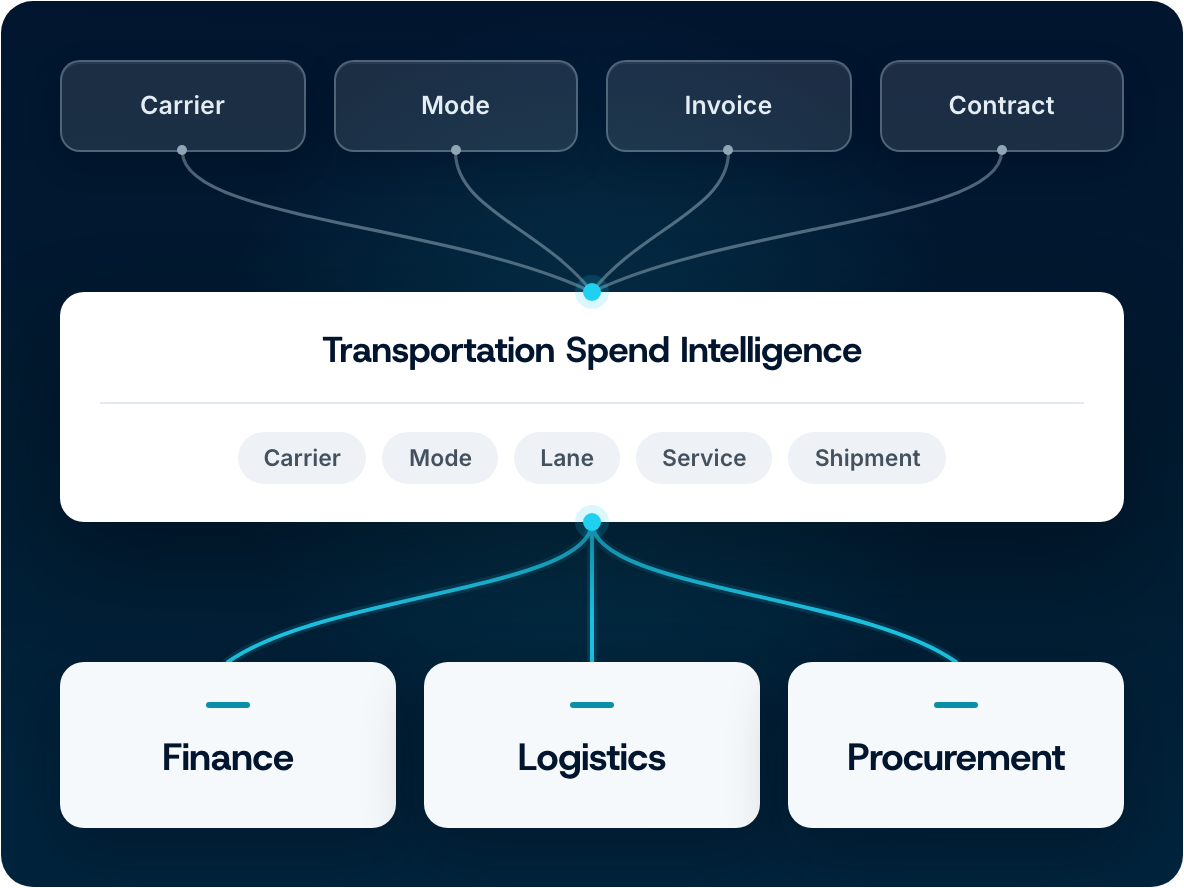
FreightOptics deals Transportation spend management.
Transportation invest evaluation
A main component of Transportation spend management is examining transportation costs thoroughly. This might entail organizing shipment, invoice, carrier, path, accessorial, and service-level details to show where money is being invested and just how costs transform with time.
With a clearer sight of the information, services can identify recurring charges, unusual billing patterns, cost motorists, and areas where transportation task may not align with operational requirements. This analysis can support much more enlightened decisions concerning shipping approaches, carrier usage, and internal procedures.
Transportation Spend Management
Freight invoice and repayment review
Transportation spend management might include reviewing products billings versus delivery documents, got terms, and relevant costs. The objective is to aid determine discrepancies such as replicate billing, wrong prices, void accessorial fees, or solutions that were not gotten as anticipated.
A constant review procedure can also help companies understand exactly how billing concerns occur. That insight may support better communication with service providers, more exact settlement workflows, and boosted controls for future transportation purchases.
3rd Party Logistics Audit services
FreightOptics offers 3rd Celebration Logistics Audit solutions as component of the wider activities that may support transportation expense oversight. A 3rd Event Logistics Audit can entail examining logistics-related costs, documentation, and transaction details to help reveal mistakes or inconsistencies.
This kind of audit may be particularly valuable when transport activity is taken care of throughout multiple providers, locations, systems, or service groups. An independent testimonial can add an additional layer of analysis and assistance companies create an even more complete understanding of their logistics spending.
Service provider and service analysis
An additional feasible aspect of Transportation spend management is examining carrier and service performance along with cost. Evaluating transit expectations, shipment outcomes, delivery demands, and fee patterns can aid businesses consider whether current transportation arrangements sustain their operational top priorities.
Price is just one factor to consider in transport preparation. A beneficial monitoring approach additionally thinks about solution needs, shipment attributes, consumer expectations, and the sensible impact of altering service providers, routes, or shipment options.
Coverage and ongoing improvement
Effective Transportation spend management typically relies on obtainable reporting. Regular records can arrange findings by service provider, area, delivery type, fee category, or amount of time, making it easier for stakeholders to monitor activity and prioritize follow-up.
The work might additionally result in refine referrals, such as improving information capture, refining approval treatments, examining arrangements, or establishing a routine audit timetable. By treating transport investing as a continuous management area instead of an one-time testimonial, companies can continue enhancing exposure and accountability.
2200 N Commerce Pkwy #200, Weston, FL 33326, United States +18005784939
Corrections
Spot something wrong? Send it to the desk and it gets fixed in the open.