Examining Data Requirements for 3pl Audit Software
Selecting 3pl Audit Software calls for greater than comparing features. Companies ought to initially establish whether a platform can approve, arrange, and confirm the functional and billing information that shapes their logistics costs.
A helpful assessment starts with the information already created by service providers, stockrooms, transportation monitoring systems, business source preparation systems, and 3PL companions. Understanding those sources aids groups identify compatibility voids before execution.
FreightOptics markets 3pl Audit Software.
Beginning With Operational Data Sources
Operational info provides the context needed to examine whether a cost matches the service that was asked for and provided. Pertinent records may consist of delivery days, beginning and location areas, solution levels, bundle or pallet information, weights, measurements, tracking identifiers, shipment standing, accessorial occasions, and stockroom task.
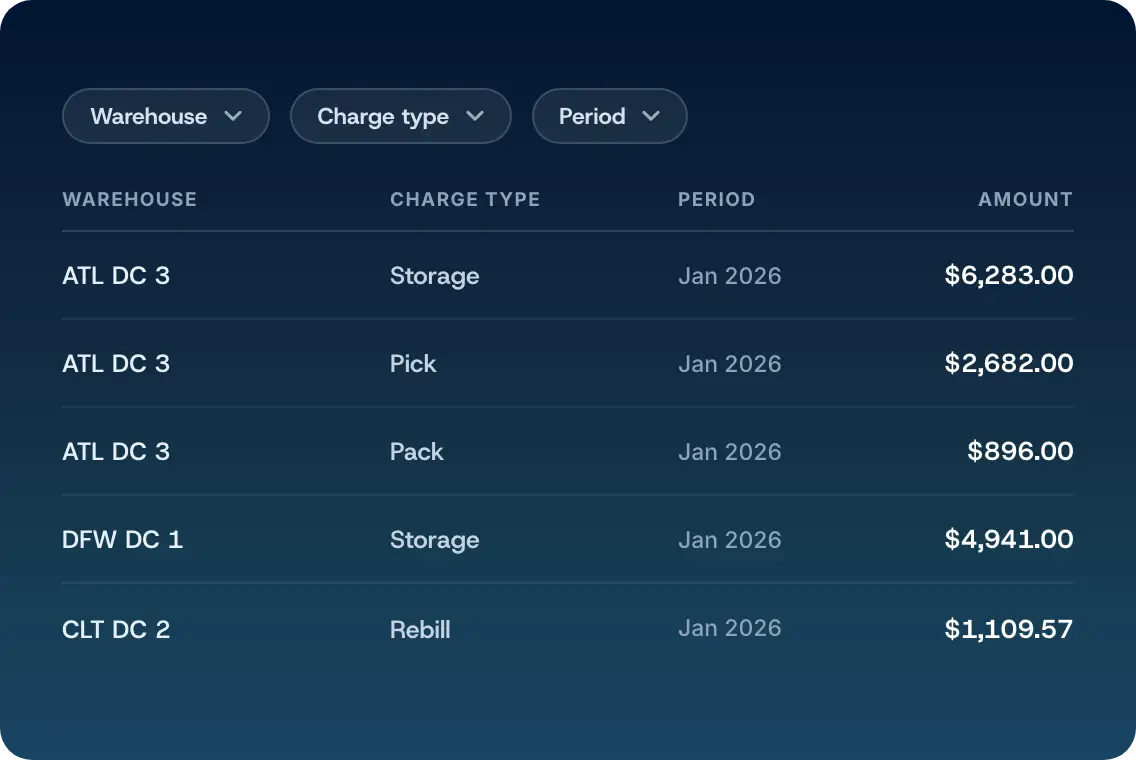
Organizations should examine exactly how this info is saved and traded. Some partners may offer structured files, while others make use of system combinations, sites, or standardized digital files. Throughout analysis, confirm whether the software application can 3pl Audit Software bring these resources together without requiring comprehensive guidebook prep work. It must also maintain essential identifiers so delivery, order, billing, and shipment documents can be attached precisely.
Check Out Billing and Contract Info
Invoicing information is main to an audit because invoices contain the amounts that require to be examined. Crucial fields can consist of billing numbers, invoice days, delivery referrals, billed services, base transportation charges, fuel costs, accessorial charges, taxes, credit reports, changes, and payment status. For warehouse and gratification task, organizations may also need storage, handling, pick-and-pack, receiving, returns, and unique service fee.
Contract and rate details is worthy of equal attention. A system may require to evaluate negotiated prices, minimum costs, dimensional rules, fuel schedules, area meanings, surcharge conditions, currency needs, and efficient days. Ask how these terms are stood for and kept, particularly when agreements differ by provider, customer, center, lane, or service type. Clear support for versioned policies can help make sure a billing is analyzed against the terms that applied when the solution took place.
Assess Data Quality and Matching Requirements
Also capable audit software depends upon trusted resource info. Examination teams need to examine replicate records, missing monitoring numbers, inconsistent address styles, contrasting weights, device distinctions, insufficient accessorial codes, and date or time-zone variances. They ought to also determine which areas are necessary for matching invoices to deliveries, orders, contracts, and proof-of-delivery details.
A solid evaluation includes representative examples rather than only clean examination data. Use common deliveries, exemptions, returns, global activities, multi-package orders, and billings containing debts or contested charges. This exposes whether the system can identify partnerships across documents and clarify why a cost was approved, flagged, or declined.
Take Into Consideration Reporting, Controls, and Data Access
The value of audited information prolongs past finding individual disparities. Organizations might require summaries by service provider, center, consumer, service level, lane, shipment kind, or payment duration. They might likewise want to identify recoverable mistakes from valid charges and monitor recurring issues. Confirm that the software application can give helpful coverage while keeping the transaction-level information required for review.
Data access and governance ought to be part of the evaluation also. Testimonial individual consents, audit backgrounds, export options, retention methods, and the ability to file decisions or adjustments. These capacities sustain cooperation amongst logistics, financing, procurement, and operations teams without losing the original document or the reasoning behind a modification.
Construct an Assessment Checklist
Prior to picking a system, create a list that maps each called for data source and area to a service objective. Consist of operational events, invoices, price arrangements, account structures, exception codes, and reporting requirements. Record the anticipated style, upgrade regularity, liable proprietor, and any type of improvement needed prior to the data can be used.
FreightOptics provides 3rd Event Logistics Audit services, and its 3pl Audit Software can be taken into consideration alongside the company's present systems, partner needs, and audit processes. A concentrated evaluation of data needs aids services choose software application that fits their functional atmosphere and sustains consistent, explainable invoicing analysis.
FreightOptics 2200 N Commerce Pkwy #200, Weston, FL 33326, United States +1 800-578-4939
Corrections
Spot something wrong? Send it to the desk and it gets fixed in the open.